The topic of Occult Prayer from the Shii Mystical Tradition might sound mysterious—maybe even a little intimidating. The word occult often makes people think of secret rituals, hidden symbols, or something “forbidden.” But in the context of Islamic mysticism, especially within Shi‘i traditions, it is much more about inner meaning, spiritual depth, and personal transformation than anything dark or strange.
In simple words, Occult Prayer from the Shii Mystical Tradition refers to special forms of prayer and spiritual recitation that go beyond the surface meaning of words. These prayers are believed to connect the believer to deeper layers of divine reality.
And no, you don’t need to be a scholar or mystic sitting on a mountain to understand it. You just need curiosity—and maybe a cup of tea.
What Does “Occult” Really Mean Here?
Let’s clear something up first.
The word occult does NOT always mean spooky or magical.
It comes from Latin occultus, meaning:
hidden or concealed
So in this context, Occult Prayer from the Shii Mystical Tradition simply means:
- Hidden meanings in prayer
- Inner spiritual interpretation
- Deep layers of devotion
A Simple Analogy
Think of a poem.
- On the surface: simple words
- Deeper level: emotions, symbolism, hidden meaning
Mystical prayer works the same way.
The Foundation: Shii Mystical Thought
Shi‘i Islam has a strong intellectual and spiritual tradition. It emphasizes:
- Knowledge
- Inner meaning (batin)
- Spiritual connection with God
Outer vs Inner Meaning
A key concept is the difference between:
1. Outer Meaning (Zahir)
- Literal interpretation
- Visible actions
2. Inner Meaning (Batin)
- Hidden spiritual truth
- Symbolic understanding
What Is Occult Prayer in This Context?
It refers to prayers that:
- Focus on hidden meanings
- Use symbolic language
- Aim for spiritual awakening
Historical Background
Shi‘i mysticism developed over centuries, influenced by:
- Early Islamic teachings
- Philosophical traditions
- Mystical interpretations of scripture
The Role of Prayer in Islam
Prayer (salat) is central in Islam.
But in mystical traditions, it becomes more than ritual.
It becomes:
- A conversation with God
- A spiritual journey
- A transformation of the self
Humor Break: The “Distracted Prayer Problem”
Let’s be honest.
Most people have had this moment:
“Wait… did I just think about groceries during prayer?”
Mystical traditions try to fix exactly that problem—by deepening focus.
Key Elements of Occult Prayer
1. Symbolism
Words represent deeper truths.
2. Meditation
Deep reflection during prayer.
3. Repetition
Repetitive recitation to focus the mind.
The Concept of Hidden Knowledge
In Shii mystical tradition, knowledge is layered.
Layers include:
- Literal understanding
- Spiritual interpretation
- Mystical insight
Statistical Insight (Modern Research)
Studies on religious practices show:
- Over 1.8 billion Muslims globally
- A significant portion engage in reflective or spiritual prayer practices
While occult prayer is not separately measured statistically, mystical traditions influence millions.
Mysticism and the Human Brain
Modern neuroscience suggests:
- Repetitive prayer can reduce stress
- Meditation changes brain activity
- Deep focus improves emotional regulation
So yes—there is science behind spiritual calmness.
Famous Figures in Shi‘i Mysticism
Influential Thinkers:
- Early Islamic philosophers
- Mystical scholars
- Theologians exploring inner meanings
They contributed to the development of esoteric prayer practices.
The Role of Language in Prayer
In occult prayer traditions:
- Words are not just spoken
- They are “experienced”
Example of Spiritual Interpretation
A simple prayer phrase may be interpreted as:
- Asking for help (literal)
- Seeking inner purification (spiritual)
- Union with divine truth (mystical)
Emotional Dimension of Prayer
These practices aim to:
- Calm the heart
- Remove anxiety
- Strengthen faith
Occult Prayer vs Regular Prayer
| Regular Prayer | Occult/Mystical Prayer |
|---|---|
| Ritual-focused | Meaning-focused |
| Structured | Reflective |
| External | Internal |
Common Misunderstandings
Myth 1: It is magic
→ No, it is spiritual interpretation.
Myth 2: It is secret ritual
→ It is mostly philosophical reflection.
Myth 3: It is separate religion
→ It is part of Islamic spirituality.
Humor Break: “Mystical Wi-Fi Signal”
Think of regular prayer as:
- Basic Wi-Fi
And mystical prayer as:
- High-speed fiber connection
Same internet… just deeper connection.
Psychological Benefits
Studies suggest prayer and meditation can:
- Reduce anxiety
- Improve emotional stability
- Enhance focus
The Role of Intention (Niyyah)
Intention is central.
Without intention:
- Prayer becomes mechanical
With intention:
- Prayer becomes meaningful
Modern Interest in Mystical Traditions
Today, people worldwide are exploring:
- Meditation
- Mindfulness
- Spiritual psychology
These overlap with mystical prayer concepts.
Why This Tradition Still Matters Today
Even in modern life, people seek:
- Meaning
- Peace
- Connection
Occult prayer traditions offer a structured way to explore these needs.
Academic Interest
Researchers study:
- Islamic mysticism
- Cognitive effects of prayer
- Religious symbolism
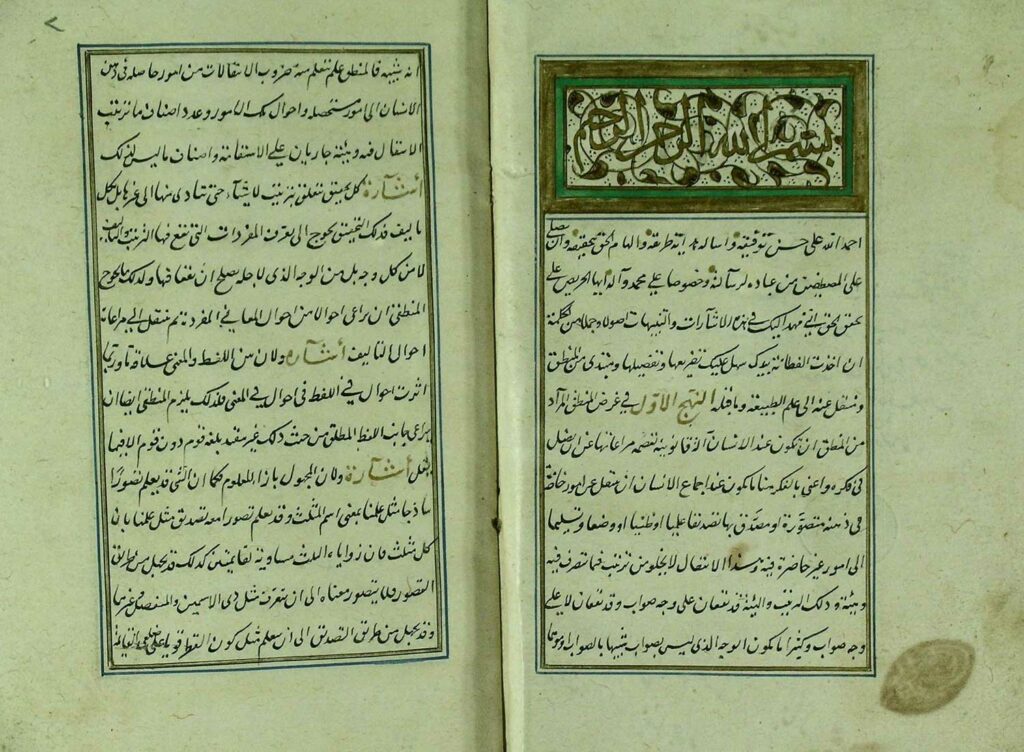
Digital Preservation of Mystical Texts
Many ancient texts are now being digitized.
Platforms like https://manuscriptsleiden.com help preserve:
- Rare manuscripts
- Mystical writings
- Historical interpretations
Challenges in Interpretation
Mystical texts are complex because:
- Language is symbolic
- Meanings vary
- Context is essential
The Human Side of Mysticism
At its core, it is about:
- Seeking meaning
- Understanding oneself
- Connecting to something greater
The idea of Occult Prayer from the Shii Mystical Tradition is not about secrecy or mystery in a negative sense. Instead, it is about depth—discovering hidden meanings within prayer and experiencing spirituality on a more profound level.
From historical development to psychological insights, these practices show how humans have always tried to connect with the divine in meaningful ways. Whether through symbolism, reflection, or inner awareness, the goal remains the same: understanding and connection.
In modern times, platforms like https://manuscriptsleiden.com help preserve and share these intellectual and spiritual traditions with the world. By studying them, we not only learn about history—we also learn about the human search for meaning itself.