Islamic Manuscript: A Complete Guide to History, Art, and Hidden Stories
If you’ve ever held an Islamic manuscript in your hands, you probably felt something unusual. It’s not just paper and ink—it’s history, culture, and human emotion captured in a physical form.
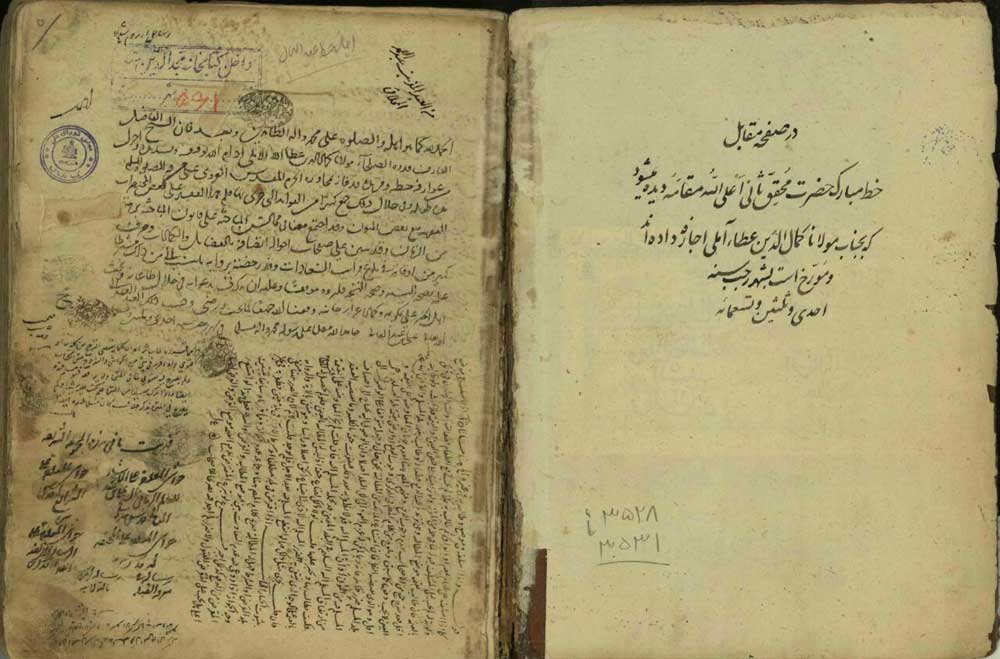
An Islamic manuscript is far more than an old book. It tells stories of scholars, artists, travelers, and entire civilizations. From beautifully written Qur’anic texts to scientific discoveries and poetry, these manuscripts shaped much of the world we live in today.
In recent years, global interest in Islamic manuscripts has grown significantly. According to reports from cultural heritage institutions, digital archives of manuscripts have seen over a 60% increase in global access since 2020. That means more people than ever are exploring this fascinating world.
And if you’re someone curious about these treasures, platforms like Manuscripts Leiden offer valuable access and insights into rare collections.
What Is an Islamic Manuscript?
Let’s keep it simple.
An Islamic manuscript is a handwritten document created in regions influenced by Islamic culture. These documents were usually written before the invention of printing.
They can include:
- Religious texts (like the Qur’an)
- Scientific works (astronomy, medicine)
- Literature and poetry
- Philosophy
- Historical records
Think of them as the “Google of the medieval world”—except written by hand, page by page.
A Quick Historical Journey
Early Beginnings (7th–10th Century)
The story of the Islamic manuscript begins shortly after the rise of Islam. Early manuscripts were mostly religious, especially copies of the Qur’an.
Back then:
- Paper was rare
- Writing was done on parchment
- Scripts were simple but elegant
The Golden Age (10th–14th Century)
This is where things get exciting.
During the Islamic Golden Age:
- Science flourished
- Translation movements expanded knowledge
- Libraries became cultural hubs
Cities like Baghdad, Cairo, and Cordoba became centers of learning.
Fun fact:
Some historians estimate that Baghdad’s House of Wisdom held hundreds of thousands of manuscripts—an incredible number for that time.
Artistic Explosion (14th–18th Century)
This period saw manuscripts become true works of art.
Features included:
- Gold illumination
- Detailed miniatures
- Complex geometric designs
Manuscripts were no longer just informational—they were luxurious objects.
Why Islamic Manuscripts Still Matter Today
You might wonder: why should we care about manuscripts in the digital age?
Here’s why:
1. They Preserve Human Knowledge
Before modern printing, everything was handwritten. These manuscripts are the original sources of many scientific and philosophical ideas.
2. They Show Cultural Diversity
Islamic manuscripts were created across a vast region—from Spain to India. Each region added its own artistic flavor.
3. They Inspire Modern Design
Modern graphic designers still use patterns and styles inspired by Islamic manuscript art.
4. They Are Valuable Assets
Rare manuscripts can be worth thousands—or even millions—of dollars.
The Role of Digital Platforms
Today, access to manuscripts is easier than ever.
Websites like Manuscripts Leiden are helping:
- Researchers study rare texts
- Collectors explore historical items
- General readers discover cultural heritage
This shift to digital has transformed how we interact with history.
Types of Islamic Manuscripts
Not all manuscripts are the same. Let’s explore some common types:
Religious Manuscripts
- Qur’an copies
- Hadith collections
- Religious commentaries
Scientific Manuscripts
- Medicine (like works of Ibn Sina)
- Astronomy charts
- Mathematics texts
Literary Manuscripts
- Poetry (Rumi, Hafez)
- Stories and epics
- Philosophical writings
The Art Behind the Pages
Creating a manuscript was not easy.
It involved:
- Skilled calligraphers
- Paper makers
- Illustrators
- Bookbinders
Sometimes, a single manuscript took months—or even years—to complete.
A Light Moment
Imagine writing an entire book… by hand… with no autocorrect.
One small mistake?
Start again.
Suddenly, typing feels like a luxury, right?
How Islamic Manuscripts Were Made (Step-by-Step)
Let’s step into the shoes of a medieval manuscript creator for a moment.
Creating an Islamic manuscript was not just writing—it was a full artistic and scientific process.
Step 1: Preparing the Paper
Before paper became common, people used parchment (animal skin). Later, paper-making techniques from China spread across the Islamic world.
Paper was:
- Polished for smooth writing
- Sometimes dyed in soft colors
- Carefully cut into uniform sizes
Step 2: Ink and Tools
Ink was handmade using natural materials:
- Soot (for black ink)
- Gold powder (for decoration)
- Plant-based dyes
The pen, called a qalam, was usually made from reed.
And here’s something interesting:
Calligraphers often spent years just learning how to cut their pen correctly.
Step 3: Calligraphy
Calligraphy was the heart of every Islamic manuscript.
Different styles were used, such as:
- Kufic (bold and geometric)
- Naskh (clear and readable)
- Thuluth (decorative and elegant)
A skilled calligrapher could turn a simple sentence into a visual masterpiece.
Step 4: Illumination and Decoration
This is where manuscripts became truly magical.
Artists added:
- Gold leaf designs
- Floral patterns
- Geometric shapes
Some pages looked more like paintings than text.
Step 5: Binding the Book
Finally, pages were stitched together and covered with leather bindings, often decorated with embossed patterns.
Materials Used in Islamic Manuscripts
You might be surprised how advanced these materials were.
Common materials included:
- Paper (often handmade)
- Leather covers
- Gold leaf
- Natural pigments
Modern research shows that many of these materials have survived for over 800 years, which says a lot about their quality.
Famous Islamic Manuscripts You Should Know
Some manuscripts are so important that they changed history.
The Blue Qur’an
- One of the most famous manuscripts
- Written in gold on blue parchment
- Believed to date back to the 9th century
Ibn Sina’s Medical Canon
- A medical encyclopedia used for centuries in Europe
- Shows how Islamic manuscripts influenced global science
Shahnameh Manuscripts
- Epic Persian stories
- Known for their stunning illustrations
How to Identify an Authentic Islamic Manuscript
This is where things get interesting—and a bit tricky.
Not every old-looking book is authentic.
Here are some key indicators:
1. Material Aging
Real manuscripts show natural aging:
- Slight discoloration
- Soft texture
- Irregular edges
2. Ink Behavior
Old ink often slightly fades or spreads into the paper.
3. Handwriting Consistency
Since everything was handwritten, small variations are normal.
Perfect uniformity can be a red flag.
4. Binding Style
Traditional bindings have specific stitching and patterns.
For deeper exploration and verified collections, platforms like Manuscripts Leiden provide curated and reliable access.
The Market Value of Islamic Manuscripts
Let’s talk money—because yes, manuscripts can be extremely valuable.
- Some rare Qur’anic manuscripts have sold for over $1 million
- Illustrated Persian manuscripts are highly collectible
- Scientific texts also attract academic buyers
The value depends on:
- Age
- Condition
- Rarity
- Artistic quality
Why Collectors Are Interested Today
The interest in Islamic manuscripts is growing globally.
Reasons include:
Cultural Value
People want to preserve history.
Investment Potential
Rare manuscripts can increase in value over time.
Academic Research
Universities and scholars rely on these texts.
Digital Revolution in Manuscript Studies
We are living in a fascinating time.
Today:
- Manuscripts are digitized in high resolution
- AI helps analyze handwriting
- Online archives allow global access
Websites like Manuscripts Leiden play a key role in making manuscripts accessible worldwide.
A Quick Reality Check
Imagine spending months writing a manuscript…
And then someone spills coffee on it.
That’s probably why manuscript makers were extremely careful—and maybe a little protective of their work.
Frequently Asked Questions (FAQ)
What is the oldest Islamic manuscript?
Some Qur’anic manuscripts date back to the 7th century.
Are Islamic manuscripts only religious?
No. They include science, literature, philosophy, and more.
Can I buy an Islamic manuscript?
Yes, but authenticity and legality must be verified.
Why are they so expensive?
Because they are rare, handmade, and historically significant.
Islamic manuscripts are not just relics of the past—they are living stories.
They show us how knowledge traveled, how art evolved, and how cultures connected across centuries.
Whether you are a researcher, collector, or simply curious, exploring manuscripts can open a completely new perspective on history.
For those interested in discovering authentic collections and learning more, visiting Manuscripts Leiden is a great starting point. It provides valuable insight into rare manuscripts and helps bridge the gap between history and the modern world.
References
https://www.bl.uk/manuscripts/
https://www.loc.gov/collections/islamic-manuscripts/
https://www.metmuseum.org/art/collection
https://www.bodleian.ox.ac.uk
https://www.qdl.qa
https://www.unesco.org
https://www.researchgate.net
https://www.jstor.org
https://www.britannica.com
https://www.wdl.org