What Are Ancient Arabic Manuscripts?
If books could talk, some of the most fascinating stories would probably come from Ancient Arabic Manuscripts.
Imagine opening a handwritten book created 800 or even 1,000 years ago. The pages may be slightly worn. The ink may have faded a little. Yet the words are still there, carrying ideas across centuries. Long before laptops, smartphones, and cloud storage, knowledge traveled through carefully copied manuscripts that connected scholars, travelers, scientists, rulers, and ordinary people.
Ancient Arabic Manuscripts are handwritten documents written primarily in Arabic and produced across different parts of the Islamic world. They cover an astonishing variety of subjects, including religion, medicine, astronomy, mathematics, literature, philosophy, geography, history, and even practical topics such as agriculture and trade.
For many people, the phrase “Arabic manuscript” immediately brings to mind religious texts. While religious works certainly form an important part of manuscript collections, they represent only one piece of a much larger picture. Ancient Arabic Manuscripts preserve the story of human curiosity itself.
Today, institutions, researchers, and organizations such as Manuscripts Leiden continue helping scholars and history enthusiasts explore these extraordinary historical treasures.
Why Ancient Arabic Manuscripts Still Matter Today
A common question is simple:
Why should modern people care about handwritten books from hundreds of years ago?
After all, we live in an age where information can be accessed in seconds.
The answer is surprisingly straightforward.
Ancient Arabic Manuscripts help us understand how knowledge developed, how cultures interacted, and how ideas traveled across continents.
Many discoveries that influence modern life today were preserved through manuscripts.
Without these documents, important chapters of human history might have disappeared forever.
Think of manuscripts as historical memory devices.
When a manuscript survives, it allows future generations to hear voices from the past.
When a manuscript is lost, a piece of history disappears with it.
A Journey Back in Time
Let’s travel back more than a thousand years.
There are no search engines.
No digital libraries.
No online courses.
No instant messaging.
If a scholar wanted to learn from another scholar living hundreds of kilometers away, knowledge often traveled through manuscripts.
Books were copied by hand.
Every page required patience.
Every sentence required concentration.
Every manuscript represented a significant investment of time and effort.
A single mistake might force a scribe to start over.
Suddenly, that typo in your email does not seem so frustrating anymore.
The World Before Printing
Many people assume books have always been widely available.
That is far from true.
Before printing technology became common, manuscripts served as the primary way to preserve and share knowledge.
Creating a manuscript required:
- Paper or parchment
- Ink
- Skilled handwriting
- Time
- Financial resources
As a result, books were often valuable possessions.
Some families protected manuscripts for generations.
Others donated them to libraries, schools, or religious institutions.
Many of the manuscripts that survive today owe their existence to countless individuals who understood their importance.
What Makes a Manuscript “Ancient”?
There is no universal rule.
However, historians generally use the term “ancient” or “historical” manuscript to describe handwritten documents produced centuries ago.
Many important Arabic manuscripts date from:
- The 7th century
- The 8th century
- The 9th century
- The 10th century
- The medieval period
- The early modern era
Some manuscripts are more than a thousand years old.
Considering how fragile paper can be, that level of survival is remarkable.
The Remarkable Spread of the Arabic Language
One reason Ancient Arabic Manuscripts are so important is the historical reach of the Arabic language.
Over centuries, Arabic became one of the world’s leading languages of scholarship.
Scholars from different backgrounds often used Arabic to exchange ideas.
As a result, manuscripts were produced across a vast geographic area.
Important centers included:
- Baghdad
- Cairo
- Damascus
- Cordoba
- Fez
- Tunis
- Mecca
- Medina
- Isfahan
- Samarkand
These cities became hubs of learning, attracting scholars from diverse cultures and traditions.
More Than Religious Texts
One of the biggest misconceptions about Ancient Arabic Manuscripts is that they focus exclusively on religion.
In reality, the subjects covered are incredibly diverse.
Historical collections include works on:
Medicine
Doctors recorded treatments, observations, and medical theories.
Astronomy
Astronomers studied planets, stars, eclipses, and calendars.
Mathematics
Mathematicians explored algebra, geometry, and numerical systems.
Geography
Travelers and scholars documented cities, trade routes, and distant lands.
Literature
Poets and writers created works that continue inspiring readers today.
History
Historians preserved accounts of important events and societies.
The variety is astonishing.
A manuscript collection can resemble an entire university library.
Knowledge as a Treasure
Modern society often takes information for granted.
We search online and expect answers instantly.
Historical scholars viewed knowledge differently.
Knowledge was precious.
A rare manuscript might require years of effort to acquire.
Travelers sometimes crossed deserts and seas searching for books.
Students journeyed long distances to study with respected teachers.
Collecting manuscripts was often considered an investment in wisdom rather than wealth.
That attitude helped preserve countless works for future generations.
The Human Side of Manuscripts
One of the most fascinating aspects of manuscript study involves the personal details hidden inside books.
Many manuscripts contain handwritten notes.
Readers sometimes added:
- Comments
- Corrections
- Questions
- Ownership marks
- Personal reflections
These notes offer glimpses into real lives.
A reader from 700 years ago might have reacted to a text in surprisingly familiar ways.
Sometimes they agreed with an author.
Sometimes they disagreed.
Sometimes they simply scribbled reminders in the margins.
In a strange way, these notes feel similar to comments left on social media today—except they survived for centuries.
The Unsung Heroes: Scribes
Every manuscript required a scribe.
Scribes copied texts by hand.
Their work demanded:
- Accuracy
- Patience
- Discipline
- Concentration
A skilled scribe could spend months completing a single manuscript.
Imagine writing hundreds of pages without modern tools.
No keyboard.
No spell checker.
No copy-and-paste.
Just ink, paper, and determination.
Without scribes, much of human knowledge would have vanished long ago.
Why Some Manuscripts Survived While Others Disappeared
History is selective.
Not every manuscript survived.
Countless works were lost because of:
- Fires
- Floods
- Wars
- Insects
- Humidity
- Neglect
The manuscripts we possess today represent only a portion of what once existed.
That reality makes surviving examples even more valuable.
Every preserved manuscript is a small miracle of survival.
The Emotional Experience of Seeing a Manuscript
Many visitors to libraries and museums describe a similar feeling when viewing ancient manuscripts.
At first, they see an old book.
Then something changes.
They realize that a real person created those pages centuries ago.
Someone mixed the ink.
Someone carefully copied the words.
Someone protected the manuscript through generations.
The book suddenly becomes more than an object.
It becomes a human connection across time.
That emotional impact helps explain why manuscript collections continue attracting interest around the world.
A Treasure Hunt That Never Ends
Many people assume historians have already found everything important.
The truth is far more exciting.
Researchers continue discovering:
- Unknown texts
- Uncatalogued manuscripts
- Forgotten collections
- Hidden ownership records
- New historical insights
Every year brings new surprises.
History still contains mysteries.
Ancient Arabic Manuscripts remain one of the most exciting fields for exploration and discovery.
Why Europe Is Deeply Connected to Arabic Manuscript History
Although many manuscripts originated in the Middle East, North Africa, and Asia, Europe also plays a major role in manuscript preservation.
Over centuries, manuscripts traveled through:
- Trade networks
- Diplomatic exchanges
- Academic collections
- Libraries
- Museums
Today, European institutions preserve some of the world’s most significant Arabic manuscript collections.
Cities such as Leiden, London, Paris, Berlin, and Vienna continue supporting research into these remarkable historical documents.
This international dimension demonstrates how knowledge crosses borders and connects cultures.
Looking Ahead
The story of Ancient Arabic Manuscripts is much larger than books alone.
It is a story about people.
People who asked questions.
People who sought knowledge.
People who preserved ideas.
And people who believed that learning was worth protecting.
In the next section, we will explore how Arabic manuscripts helped shape science, medicine, mathematics, astronomy, and global intellectual history during one of humanity’s most remarkable periods of innovation.
How Ancient Arabic Manuscripts Changed World History
When people think about inventions that changed the world, they often mention the wheel, electricity, the internet, or the smartphone.
Few people think about manuscripts.
Yet without manuscripts, many of humanity’s greatest discoveries might never have survived long enough to influence future generations.
Ancient Arabic Manuscripts did far more than preserve knowledge.
They helped spread it.
They connected civilizations.
They allowed ideas to travel across continents and centuries.
In many ways, these handwritten books became bridges between different cultures and different eras of human history.
The Golden Age of Knowledge
Historians often refer to a period between the 8th and 14th centuries as part of the Islamic Golden Age.
During this time, scholarship flourished across large parts of the Islamic world.
Cities became centers of learning.
Libraries expanded.
Universities emerged.
Scientific investigation accelerated.
Most importantly, knowledge was actively collected, studied, translated, improved, and shared.
Ancient Arabic Manuscripts played a central role in this process.
Without them, much of that intellectual activity would have vanished.
A World Hungry for Knowledge
One remarkable characteristic of many historical scholars was their curiosity.
They did not limit themselves to studying local traditions.
Instead, they sought knowledge from many sources.
Works originating in:
- Greece
- Persia
- India
- Egypt
- Central Asia
were translated, studied, and discussed.
Scholars compared ideas.
They challenged assumptions.
They built upon earlier discoveries.
This willingness to learn from different cultures created an environment where innovation could flourish.
The Translation Movement
One of the most important intellectual developments in history involved large-scale translation efforts.
Scholars translated texts into Arabic from several languages.
These translations preserved valuable knowledge that might otherwise have disappeared.
The process involved more than simple copying.
Researchers often:
- Analyzed texts
- Corrected errors
- Added commentary
- Expanded theories
- Introduced new ideas
As a result, many manuscripts became living conversations between generations of scholars.
Baghdad and the House of Wisdom
No discussion of Ancient Arabic Manuscripts would be complete without mentioning Baghdad.
For centuries, Baghdad served as one of the world’s leading intellectual centers.
The famous House of Wisdom became associated with scholarship, translation, research, and learning.
Although historians continue debating certain details about its organization and structure, its symbolic importance remains enormous.
Scholars gathered knowledge from different regions and preserved it through manuscripts.
The impact of these efforts reached far beyond the city itself.
How Manuscripts Preserved Ancient Knowledge
History can be fragile.
Books disappear.
Buildings collapse.
Empires fall.
Manuscripts often become the survivors.
Many ancient works known today exist because they were copied, preserved, and transmitted through Arabic manuscript traditions.
Without those copies, entire branches of historical knowledge might have vanished forever.
It is one of history’s great ironies.
Sometimes a manuscript copied hundreds of years after an original text becomes the reason the original survives at all.
Ancient Arabic Manuscripts and Medicine
Nowhere is the impact of manuscripts more obvious than in medicine.
Medical scholars recorded observations, treatments, diagnoses, and theories.
Their writings circulated widely.
Students studied them.
Physicians referenced them.
Hospitals used them.
Many medical manuscripts combined practical experience with scholarly investigation.
This helped create a tradition of learning that influenced medicine for centuries.
Medicine Was Not Just Theory
Historical physicians did not simply repeat old ideas.
Many observed patients carefully.
They documented symptoms.
They compared treatments.
They recorded outcomes.
Their manuscripts became repositories of accumulated medical experience.
In some cases, these texts remained influential for hundreds of years.
The Development of Mathematics
Imagine trying to run a modern economy without mathematics.
Difficult, right?
Ancient Arabic Manuscripts helped preserve and expand mathematical knowledge.
Scholars explored:
- Arithmetic
- Algebra
- Geometry
- Trigonometry
These fields influenced commerce, engineering, navigation, architecture, and science.
Mathematical manuscripts often combined theoretical discussions with practical applications.
That combination made them especially useful.
The Story of Algebra
One fascinating example involves algebra.
Today students around the world learn algebra in school.
Many are unaware that important developments in algebra were preserved and expanded through Arabic scholarly traditions.
Manuscripts discussing mathematical methods circulated across regions and eventually influenced education far beyond the Islamic world.
The impact continues today.
Although students may complain about equations, history shows their importance.
Looking at the Stars
Ancient Arabic Manuscripts also played a major role in astronomy.
Long before space telescopes existed, scholars observed the night sky carefully.
They recorded:
- Planetary movements
- Eclipses
- Star positions
- Calendrical calculations
Astronomical manuscripts often combined scientific observation with practical needs.
Accurate knowledge of time, seasons, and celestial movements was valuable for many aspects of daily life.
A Sky Full of Questions
Humans have always looked upward and wondered.
What are the stars?
Why do planets move?
How can eclipses be predicted?
Ancient manuscripts reveal generations of people trying to answer these questions.
That curiosity remains familiar today.
The tools have changed.
The questions remain.
Geography and Exploration
Imagine planning a journey across thousands of kilometers without modern maps.
Historical travelers faced exactly that challenge.
Geographical manuscripts helped people understand:
- Trade routes
- Cities
- Rivers
- Mountains
- Seas
- Distant regions
These texts provided valuable information for merchants, diplomats, scholars, and explorers.
Some manuscripts contain remarkably detailed descriptions of places that continue fascinating researchers today.
The World Through Travelers’ Eyes
Travel accounts represent some of the most entertaining manuscript literature.
Readers encountered descriptions of:
- Strange customs
- New foods
- Unfamiliar landscapes
- Different cultures
Sometimes these accounts were highly accurate.
Sometimes they were exaggerated.
Occasionally they sound like medieval travel blogs.
Human nature has not changed as much as we sometimes think.
Literature and Storytelling
Ancient Arabic Manuscripts also preserved rich literary traditions.
Stories entertained readers while exploring themes such as:
- Love
- Courage
- Friendship
- Wisdom
- Justice
Many literary works survived only because manuscript copyists preserved them.
Without those efforts, countless stories would have disappeared.
The world would be poorer for their loss.
History Written by Witnesses
Historical manuscripts offer another priceless resource.
Some authors described events they personally witnessed.
Others collected information from earlier sources.
These accounts help historians reconstruct the past.
Of course, historical sources must be evaluated carefully.
Authors sometimes had biases.
They occasionally made mistakes.
Yet their writings remain essential.
Without them, understanding many historical events would be nearly impossible.
Libraries as Centers of Civilization
The importance of libraries cannot be overstated.
Large manuscript collections became centers of intellectual life.
People gathered to:
- Study
- Teach
- Debate
- Copy books
- Share ideas
Libraries served as engines of learning.
In many cities, they helped create vibrant scholarly communities.
Their influence extended far beyond their walls.
Knowledge Travels Across Borders
One of the most remarkable features of manuscript culture was mobility.
Ideas traveled.
Books traveled.
Scholars traveled.
Knowledge rarely remained confined to one location.
A manuscript copied in one city might later appear hundreds or thousands of kilometers away.
Through these movements, intellectual traditions became interconnected.
The result was a surprisingly global exchange of ideas.
Europe and the Transmission of Knowledge
Ancient Arabic Manuscripts played a significant role in the broader history of learning.
Many works eventually reached Europe through translation and scholarly exchange.
Over time, these texts contributed to intellectual developments in multiple regions.
The process was complex and involved many cultures.
Rather than a one-way transfer, it was often an ongoing conversation among civilizations.
This shared intellectual heritage remains one of history’s most inspiring stories.
The Numbers Behind Historical Scholarship
Modern researchers estimate that hundreds of thousands of Arabic manuscripts survive worldwide.
Some collections contain:
- Tens of thousands of manuscripts
- Millions of pages
- Centuries of accumulated knowledge
Digitization projects continue expanding access to these resources.
As more collections become available online, researchers gain new opportunities for discovery.
The amount of material still waiting to be studied is enormous.
Why Ancient Arabic Manuscripts Continue to Inspire
The true significance of these manuscripts goes beyond any single subject.
They represent a culture of learning.
A belief that knowledge matters.
A commitment to preserving ideas.
A desire to share discoveries with future generations.
That message remains relevant today.
Whether someone studies science, history, literature, art, or technology, manuscripts remind us that progress depends on preserving and building upon knowledge.
Manuscripts as Conversations Across Time
Perhaps the best way to understand Ancient Arabic Manuscripts is to imagine them as conversations.
An author writes.
A scribe copies.
A student reads.
A teacher comments.
A collector preserves.
A researcher studies.
Generations participate in the same intellectual journey.
The manuscript becomes the meeting place.
Centuries pass, yet the conversation continues.
Famous Ancient Arabic Manuscripts and the Art Behind Them
By now, we know that Ancient Arabic Manuscripts preserved knowledge, connected cultures, and helped shape world history.
But there is another side to the story.
Many manuscripts are not only important because of what they say.
They are also admired because of how they look.
Some manuscripts are so beautiful that visitors spend several minutes looking at a single page.
Others are considered masterpieces of calligraphy, illustration, and design.
In many cases, a manuscript is both a book and a work of art.
When Writing Became Art
Today, most people type messages using phones or computers.
Speed matters.
Convenience matters.
Few people spend hours thinking about the appearance of each letter.
Historical calligraphers had a very different approach.
For them, writing itself was an art form.
Every line mattered.
Every curve mattered.
Every space between letters mattered.
A beautifully written manuscript reflected discipline, patience, and extraordinary skill.
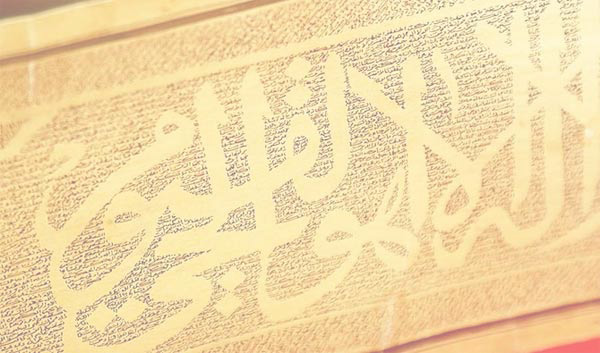
The Special Place of Calligraphy
Across much of Islamic history, calligraphy became one of the most respected artistic traditions.
Talented calligraphers could earn admiration similar to that received by famous artists today.
Why?
Because beautiful writing was viewed as a reflection of knowledge and refinement.
A skilled calligrapher did not simply write words.
They transformed language into visual beauty.
Many spent years perfecting their craft.
Some practiced individual letters thousands of times before mastering them.
That level of dedication is difficult to imagine in an age of autocorrect.
Famous Styles of Arabic Calligraphy
Different manuscript traditions developed distinctive writing styles.
Each style had its own personality and purpose.
Kufic Script
One of the earliest and most recognizable styles.
Kufic is known for its geometric appearance and strong angular forms.
Many early manuscripts feature this elegant script.
Naskh Script
Clear and highly readable.
Naskh eventually became one of the most widely used manuscript styles.
Its balance of beauty and practicality made it extremely popular.
Thuluth Script
Large, flowing, and decorative.
Thuluth often appeared in titles, headings, and artistic compositions.
Its graceful curves continue inspiring designers today.
Maghrebi Script
Widely used in North Africa.
This style developed distinctive regional characteristics and remains an important part of manuscript history.
The Beauty of Illuminated Manuscripts
Some manuscripts contain more than text.
They contain dazzling artwork.
These decorative elements are known as illuminations.
Illumination often includes:
- Gold leaf
- Geometric patterns
- Floral designs
- Decorative borders
- Colorful title pages
The effect can be breathtaking.
Even modern viewers often find these pages visually stunning.
In some cases, manuscripts resemble luxury art objects rather than ordinary books.
Why Gold Was Used
Gold decoration served several purposes.
First, it enhanced beauty.
Second, it highlighted important sections.
Third, it demonstrated the value placed on knowledge.
Creating a manuscript decorated with gold required significant resources.
As a result, such works were often associated with wealthy patrons, rulers, or major institutions.
Manuscripts That Took Years to Complete
Large manuscript projects required enormous effort.
A luxury manuscript could involve:
- Calligraphers
- Artists
- Paper makers
- Bookbinders
- Editors
Each specialist contributed unique skills.
Some projects lasted months.
Others lasted years.
Imagine creating a book without printers, scanners, or design software.
Every page had to be completed by hand.
The patience involved is remarkable.
Some of the Most Famous Ancient Arabic Manuscripts
Across the world, numerous manuscripts have achieved legendary status.
Their importance comes from age, rarity, artistic quality, historical significance, or all of these factors combined.
Early Qur’anic Manuscripts
Among the most studied Arabic manuscripts are early copies of the Qur’an.
Researchers examine these manuscripts to better understand:
- Early writing traditions
- Book production techniques
- Historical development of script styles
These manuscripts represent some of the most significant surviving documents in Islamic history.
Scientific Manuscripts
Scientific texts occupy a special place in manuscript collections.
Works covering astronomy, medicine, mathematics, and engineering reveal the intellectual achievements of earlier generations.
Researchers continue studying these manuscripts today.
New insights frequently emerge from old texts.
Literary Masterpieces
Arabic literature produced countless manuscript treasures.
Poetry collections, stories, and philosophical works remain popular among scholars and readers.
Many literary texts survived only because dedicated copyists preserved them.
Without manuscripts, entire literary traditions might have vanished.
Hidden Messages in Manuscript Margins
One of the most fascinating aspects of manuscript research involves marginal notes.
These notes are often called marginalia.
Readers frequently wrote comments in manuscript margins.
Examples include:
- Personal reflections
- Corrections
- Explanations
- Questions
- Ownership information
Sometimes a small note provides valuable historical evidence.
Researchers have learned surprising details about readers simply by studying these annotations.
Medieval Readers Were Surprisingly Familiar
Modern readers often imagine historical scholars as distant and mysterious figures.
Yet manuscript notes reveal familiar behaviors.
Some readers:
- Argued with authors
- Added jokes
- Corrected mistakes
- Marked favorite passages
Human nature has changed less than we sometimes assume.
A reader making notes in a manuscript 700 years ago may not be very different from someone highlighting passages in a modern book today.
How Manuscripts Traveled Across Continents
Books rarely remained in one place forever.
Ancient Arabic Manuscripts often traveled extraordinary distances.
A manuscript copied in one city might later appear in another country entirely.
Books moved through:
- Trade networks
- Diplomatic exchanges
- Educational journeys
- Family inheritance
- Library acquisitions
Their journeys reveal how interconnected historical societies could be.
Merchants and Manuscripts
Trade played a major role in manuscript circulation.
Merchants transported more than goods.
They also transported ideas.
Books often accompanied commercial activity.
As trade routes expanded, manuscripts traveled with them.
Knowledge followed the same roads that carried spices, textiles, and precious metals.
Students on the Move
Historical students frequently traveled long distances seeking education.
Some crossed deserts.
Others sailed across seas.
Many carried manuscripts with them.
As students moved, books moved too.
This helped spread knowledge across regions and cultures.
In a sense, manuscripts became intellectual travelers.
Why Some Manuscripts Are Worth Millions
A question often appears in headlines:
Can a manuscript be worth millions?
The answer is yes.
Several factors influence value:
Age
Older manuscripts often attract greater interest.
Rarity
Unique items tend to be especially valuable.
Provenance
Documented ownership history increases importance.
Artistic Quality
Exceptional calligraphy and decoration enhance desirability.
Historical Significance
Connections to important people or events can dramatically increase value.
Some manuscripts are considered effectively priceless because they are irreplaceable.
The Most Valuable Feature Isn’t Always Money
Interestingly, scholars often care less about financial value than historical value.
A manuscript may not sell for millions.
Yet it might contain information unavailable anywhere else.
To researchers, that can be far more important.
Knowledge often outweighs monetary worth.
The Excitement of Unexpected Discoveries
One reason manuscript studies remain exciting is the possibility of discovery.
Researchers continue uncovering:
- Unknown authors
- Lost texts
- New historical evidence
- Uncatalogued manuscripts
Sometimes a manuscript sitting quietly on a shelf transforms our understanding of history.
Those moments remind scholars why their work matters.
Manuscripts as Cultural Ambassadors
Ancient Arabic Manuscripts also serve another important role.
They help modern audiences appreciate the diversity and richness of historical cultures.
A manuscript can reveal:
- Artistic traditions
- Scientific achievements
- Educational systems
- Social values
- Cultural connections
In doing so, it builds bridges between past and present.
The Continuing Importance of Manuscript Research
Organizations, libraries, universities, and initiatives such as Manuscripts Leiden continue supporting manuscript research and preservation.
Their efforts help scholars access valuable materials while increasing public awareness of manuscript heritage.
As more collections become available digitally, interest in Arabic manuscript studies continues growing worldwide.
Looking Ahead
So far we have explored the history, significance, beauty, and influence of Ancient Arabic Manuscripts.
Yet an equally fascinating question remains:
How do these fragile historical treasures survive for centuries?
In the next section, we will explore:
- Preservation techniques
- Modern conservation science
- Digitization projects
- Global manuscript collections
- Surprising modern discoveries
- The future of manuscript research
Preservation, Digitization, Global Collections, and the Future of Ancient Arabic Manuscripts
Imagine surviving for 500 years.
Now imagine surviving for 1,000 years.
Not a person.
A book.
A handwritten book.
That is exactly what many Ancient Arabic Manuscripts have accomplished.
Considering everything that can happen over centuries—wars, fires, floods, insects, humidity, accidents, neglect, and simple bad luck—the survival of historical manuscripts is nothing short of remarkable.
Every manuscript that reaches the modern world has already won a battle against time.
The Greatest Enemies of Manuscripts
Ancient manuscripts face many dangers.
Some threats are dramatic.
Others are surprisingly ordinary.
Let’s start with the most common enemies.
Fire
Throughout history, fires have destroyed libraries, archives, and private collections.
A single fire can erase centuries of knowledge.
Many lost manuscripts are known only because historians mentioned them before they disappeared.
Water
Water may seem harmless.
For manuscripts, it can be devastating.
Floods, leaks, and excessive humidity can damage:
- Paper
- Ink
- Bindings
- Decorative elements
Water damage often creates long-term preservation challenges.
Insects
Tiny insects have destroyed countless historical documents.
Bookworms, termites, and other pests can gradually consume paper and bindings.
The damage may take years to become visible.
By then, significant losses may already have occurred.
Mold
Mold thrives in poor storage conditions.
Once it appears, it can spread rapidly.
Besides damaging manuscripts, mold can also pose health risks to people working with collections.
Modern preservation efforts place strong emphasis on preventing mold growth.
Human Neglect
Sometimes the greatest threat is neither nature nor disaster.
It is neglect.
A manuscript forgotten in an unsuitable environment can deteriorate surprisingly quickly.
Fortunately, increased awareness has improved preservation practices worldwide.
How Manuscripts Survive for Centuries
Given all these dangers, how have so many manuscripts survived?
Usually, survival depends on a combination of factors.
Careful Owners
Many manuscripts survived because generations of owners protected them.
Families, scholars, and institutions often recognized their importance.
Favorable Conditions
Certain environments naturally support preservation better than others.
Dry and stable conditions generally help manuscripts last longer.
Protective Bindings
Historical bookbinders developed sophisticated techniques for protecting manuscripts.
Strong bindings reduced wear and tear.
Continuous Use
Ironically, manuscripts that remained valued and used were sometimes better preserved than forgotten books.
People cared for items they considered important.
The Science of Conservation
Modern manuscript conservation combines:
- History
- Chemistry
- Material science
- Art conservation
- Archival studies
Conservators do far more than repair damaged pages.
Their goal is to preserve original materials while minimizing future deterioration.
This requires extensive training and experience.
A poorly executed repair can sometimes cause more damage than the original problem.
A Day in the Life of a Conservator
Imagine receiving a manuscript that is 700 years old.
Its pages are fragile.
The binding is loose.
The ink is fading.
What happens next?
Conservators begin with careful examination.
They document:
- Physical condition
- Materials
- Existing damage
- Previous repairs
Only after thorough analysis do treatment decisions begin.
Every step must be carefully considered.
Patience is essential.
Climate-Controlled Preservation
Many modern institutions store manuscripts in climate-controlled environments.
These systems regulate:
- Temperature
- Humidity
- Air quality
- Light exposure
Why is this important?
Because environmental fluctuations accelerate deterioration.
Stable conditions help manuscripts survive much longer.
In some cases, preservation facilities resemble scientific laboratories more than traditional libraries.
Light: A Hidden Threat
People often worry about water or fire.
Few think about light.
Yet excessive light exposure can gradually damage manuscripts.
Over time, strong light may cause:
- Ink fading
- Paper discoloration
- Pigment deterioration
For this reason, museums carefully control lighting conditions.
The goal is simple:
Allow people to see manuscripts without harming them.
The Digital Revolution
Perhaps the most significant development in modern manuscript preservation is digitization.
High-resolution imaging allows institutions to create detailed digital copies of manuscripts.
The benefits are enormous.
Reduced Handling
Researchers can study digital images without touching fragile originals.
Greater Access
People around the world can view manuscripts online.
Long-Term Documentation
Digital copies provide valuable records of manuscript condition.
Educational Opportunities
Students gain access to materials that would otherwise remain inaccessible.
Digitization has transformed manuscript studies.
A Researcher in Amsterdam, a Manuscript in Cairo
A century ago, studying a manuscript often required extensive travel.
Today, many researchers can access collections remotely.
A scholar in:
- Amsterdam
- Berlin
- Paris
- London
- Toronto
may study manuscripts preserved thousands of kilometers away.
This global accessibility has dramatically expanded research possibilities.
Can Artificial Intelligence Help?
Increasingly, yes.
Artificial intelligence and advanced imaging technologies are helping researchers:
- Read damaged texts
- Improve image quality
- Identify handwriting patterns
- Analyze manuscript structures
These tools do not replace scholars.
Instead, they help scholars work more efficiently.
The combination of historical expertise and modern technology is opening exciting new possibilities.
Hidden Texts Revealed by Technology
One of the most fascinating developments involves multispectral imaging.
This technology can sometimes reveal writing invisible to the naked eye.
Researchers have used advanced imaging to recover:
- Faded notes
- Erased passages
- Damaged text
- Hidden annotations
It is almost like giving manuscripts a second chance to tell their stories.
Global Manuscript Collections
Ancient Arabic Manuscripts can now be found across the world.
Major collections exist in:
The Netherlands
Leiden remains one of Europe’s leading centers for manuscript scholarship.
Organizations and resources such as Manuscripts Leiden help promote awareness of manuscript heritage and support research interests in historical collections.
United Kingdom
Several libraries and universities maintain world-renowned Arabic manuscript collections.
Germany
German institutions continue contributing important research and preservation work.
France
Historical collections in France attract scholars from around the world.
Turkey
Turkey preserves vast numbers of manuscripts from different historical periods.
Egypt
Egypt remains one of the most important centers of Arabic manuscript heritage.
Morocco
North African manuscript traditions continue attracting growing international interest.
Saudi Arabia
Important collections contribute to ongoing manuscript research and preservation efforts.
Manuscripts Still Waiting to Be Studied
One surprising fact is that many manuscripts remain understudied.
Researchers estimate that significant numbers of manuscripts have not yet received detailed scholarly analysis.
Why?
Simply because the volume of material is enormous.
There are:
- Millions of manuscript pages
- Thousands of collections
- Countless historical questions
Future generations of scholars will have plenty of work to do.
The Excitement of Modern Discoveries
People sometimes assume all important discoveries belong to the past.
Manuscript research proves otherwise.
Recent decades have produced numerous exciting findings.
Researchers continue discovering:
- Unknown texts
- Forgotten authors
- New historical evidence
- Previously overlooked manuscripts
History is still revealing surprises.
Why Public Interest Is Growing
Ancient Arabic Manuscripts are attracting broader audiences than ever before.
Several factors explain this trend.
Social Media
Beautiful manuscript images frequently capture public attention.
Online Collections
Digital access allows more people to explore manuscript heritage.
Documentaries
Historical documentaries continue introducing new audiences to manuscript culture.
Educational Resources
Schools and universities increasingly incorporate digital collections into teaching.
As awareness grows, so does appreciation.
Why Manuscripts Matter in the Twenty-First Century
Some people ask whether ancient manuscripts still matter in an age of artificial intelligence and instant communication.
The answer is yes.
Perhaps more than ever.
Manuscripts remind us that knowledge has a history.
Every modern discovery builds upon earlier generations of learning.
Ancient Arabic Manuscripts show how ideas develop, spread, and survive.
They remind us that progress is rarely the work of one individual.
Instead, it is a conversation across centuries.
A Time Machine Made of Paper
If someone asked for the simplest definition of a manuscript, perhaps this would be appropriate:
A manuscript is a time machine made of paper.
It allows modern readers to encounter people who lived hundreds of years ago.
Not through imagination.
Not through legend.
Through their actual words.
That connection is extraordinary.
Very few objects possess such power.
Looking Toward the Final Part
We have explored:
- The origins of Ancient Arabic Manuscripts
- Their impact on world history
- Their artistic beauty
- Their preservation
- Their future
One final section remains.
In the last part of this article, we will cover:
- SEO-optimized FAQ section
- Surprising facts readers rarely know
- Common misconceptions
- Final summary
- References
- Keywords
- Primary Keyword
- Meta Description
Frequently Asked Questions About Ancient Arabic Manuscripts
The world of Ancient Arabic Manuscripts often raises fascinating questions. Below are some of the most common questions readers ask, along with clear and practical answers.
What Is an Ancient Arabic Manuscript?
An Ancient Arabic Manuscript is a handwritten document created before the modern printing era and written primarily in Arabic.
These manuscripts may cover a wide variety of subjects including:
- Religion
- Science
- Medicine
- Mathematics
- Literature
- History
- Philosophy
- Geography
Some manuscripts are hundreds of years old, while others are more than a thousand years old.
Why Are Ancient Arabic Manuscripts Important?
Ancient Arabic Manuscripts preserve knowledge that helped shape world civilization.
They provide direct evidence of:
- Scientific discoveries
- Historical events
- Cultural traditions
- Literary achievements
- Educational systems
Without these manuscripts, many important ideas might have been lost forever.
How Old Are the Oldest Arabic Manuscripts?
Some surviving Arabic manuscripts date back to the earliest centuries of Islamic history.
Researchers continue studying early examples to better understand:
- Writing traditions
- Manuscript production
- Historical development of Arabic script
Several surviving manuscripts are more than 1,300 years old.
Where Are Ancient Arabic Manuscripts Found Today?
Major collections exist throughout the world.
Important collections can be found in:
- The Netherlands
- United Kingdom
- Germany
- France
- Turkey
- Egypt
- Morocco
- Saudi Arabia
- United States
- Various university libraries worldwide
Many institutions are actively digitizing their collections.
Are New Manuscript Discoveries Still Being Made?
Absolutely.
Researchers continue finding:
- Uncatalogued manuscripts
- Unknown texts
- Forgotten authors
- New historical evidence
Some discoveries occur in famous libraries.
Others emerge from private collections or previously overlooked archives.
The field remains active and exciting.
How Do Experts Read Very Old Manuscripts?
Reading ancient manuscripts often requires specialized training.
Researchers study:
- Historical handwriting styles
- Language development
- Manuscript materials
- Historical context
Advanced imaging technologies can also help reveal faded or damaged text.
Are Ancient Arabic Manuscripts Valuable?
Yes.
Some manuscripts possess significant financial value.
However, scholars often focus more on historical and cultural importance than market price.
A manuscript containing unique information may be considered invaluable even if it is never sold.
What Is the Difference Between a Manuscript and a Printed Book?
A manuscript is written by hand.
A printed book is produced using printing technology.
Before printing became widespread, manuscripts served as the primary method of preserving and distributing knowledge.
Each manuscript is unique because it was individually created.
Why Do Some Manuscripts Look Like Works of Art?
Many manuscripts were designed to be visually beautiful.
Artists used:
- Gold leaf
- Decorative patterns
- Colorful pigments
- Elegant calligraphy
These artistic features transformed manuscripts into cultural treasures.
Can I View Ancient Arabic Manuscripts Online?
Increasingly, yes.
Many institutions now provide digital access to manuscript collections.
This allows researchers, students, and history enthusiasts to explore historical documents from anywhere in the world.
Fascinating Facts About Ancient Arabic Manuscripts
Let’s finish with some surprising facts.
A Single Manuscript Could Require Years to Complete
Large projects sometimes involved teams of specialists and extensive artistic work.
Marginal Notes Can Be More Valuable Than the Main Text
Occasionally, a small handwritten note reveals unique historical information unavailable elsewhere.
Some Manuscripts Traveled Across Continents
Books often moved through trade networks, educational journeys, and diplomatic exchanges.
Every Manuscript Is Unique
Even multiple copies of the same text usually contain differences.
Each manuscript has its own history.
Researchers Still Have Millions of Pages to Study
The amount of surviving manuscript material remains enormous.
Future discoveries are almost guaranteed.
Common Misconceptions About Ancient Arabic Manuscripts
Misconception 1: They Are Only Religious Texts
False.
Collections include works on science, medicine, mathematics, literature, geography, and many other subjects.
Misconception 2: Manuscript Studies Are Finished
False.
New discoveries continue every year.
Misconception 3: Digital Copies Replace Originals
False.
Digital access is valuable, but physical manuscripts still contain important information that images cannot fully capture.
Misconception 4: Ancient Manuscripts Are Only Important to Historians
False.
They matter to anyone interested in:
- Knowledge
- Culture
- Art
- Science
- Human history
Their stories belong to all of us.
Why Ancient Arabic Manuscripts Will Always Matter
Technology changes.
Civilizations change.
Communication methods change.
Yet one thing remains constant.
Human beings want to learn.
Ancient Arabic Manuscripts represent centuries of curiosity, creativity, and intellectual effort.
They show people asking questions about the world, searching for answers, and sharing knowledge with future generations.
In a world increasingly focused on speed and instant information, manuscripts remind us of something important:
Knowledge takes time.
Wisdom takes patience.
And preserving ideas can change history.
The survival of these manuscripts is one of humanity’s greatest cultural achievements.
Every preserved manuscript represents a victory over time, loss, and forgetting.
Final Thoughts
The story of Ancient Arabic Manuscripts is ultimately the story of people.
People who wrote.
People who learned.
People who taught.
People who preserved.
People who believed that knowledge mattered.
From scientific discoveries and literary masterpieces to artistic calligraphy and historical records, these manuscripts continue enriching our understanding of the past.
Today, organizations, scholars, libraries, collectors, and institutions around the world continue protecting this remarkable heritage. Resources such as Manuscripts Leiden help promote awareness of manuscript studies and encourage greater appreciation for the extraordinary cultural legacy preserved within historical collections.
Although centuries separate us from the creators of these manuscripts, their words continue speaking. Every page offers an opportunity to learn something new about history, culture, and the enduring human desire to understand the world.
References
- UNESCO Memory of the World Programme
- British Library – Asian and African Studies Collections
- Qatar Digital Library
- Library of Congress Digital Collections
- Leiden University Libraries Special Collections
- The Metropolitan Museum of Art – Islamic Art Collection
- Getty Research Institute
- World Digital Library Archive
- University of Birmingham Manuscript Collections
- Chester Beatty Collections
- Manuscripts Leiden