Islamic Manuscript Stories: Hidden Meanings, Culture, and Modern Value
Every Islamic manuscript has a story.
Not just the story written inside it—but the story of how it was created, who touched it, who preserved it, and how it survived centuries.
An Islamic manuscript is not just a historical object. It is a witness. A silent observer of time, travel, war, discovery, and human creativity.
Today, as interest in cultural heritage grows worldwide, these manuscripts are no longer hidden in dusty archives. Instead, they are being rediscovered through digital platforms like Manuscripts Leiden, making them accessible to a global audience.
The Human Side of Islamic Manuscripts
Let’s step away from technical definitions for a moment.
Imagine this:
A scholar sits under candlelight, carefully writing each word.
Outside, the world is changing—empires rising and falling.
But inside that room, time slows down.
That’s how many manuscripts were created.
They are not just texts.
They are human effort, patience, and intention captured on paper.
Stories Hidden Inside Manuscripts
Not all stories are obvious.
Some are written between the lines.
Marginal Notes
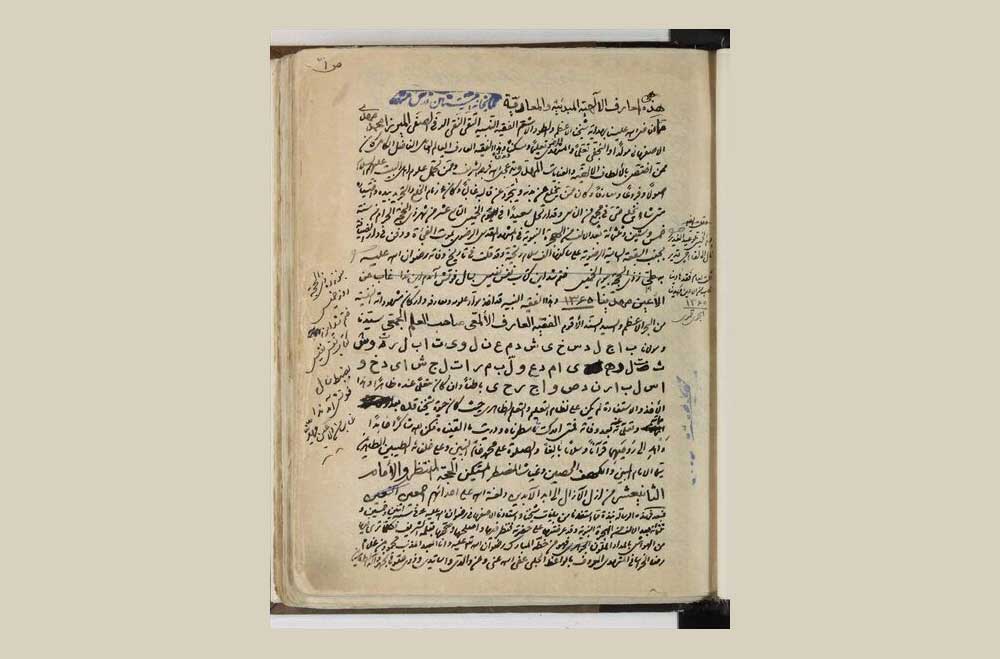
Many manuscripts include handwritten notes in the margins.
These notes might:
- Correct mistakes
- Add personal thoughts
- Record ownership
Sometimes, these small notes are more interesting than the main text.
Ownership Marks
Manuscripts often passed through many hands.
Each owner might leave:
- A signature
- A stamp
- A short message
This creates a chain of history—almost like a passport of the manuscript.
Repairs and Modifications
Some manuscripts were repaired multiple times.
Different pages might come from different periods.
This tells us:
- The manuscript was valued
- It was used, not just stored
Cultural Diversity in Islamic Manuscripts
Islamic manuscripts were created across a vast geographical area.
This means one important thing:
They are incredibly diverse.
Persian Influence
- Rich storytelling
- Detailed miniatures
- Poetic language
Ottoman Influence
- Elegant calligraphy
- Balanced page layouts
Arabic Influence
- Strong focus on religious texts
- Geometric precision
Each region added its own identity.
Why People Are Fascinated Today
Interest in Islamic manuscripts is growing—and not just among academics.
1. Visual Beauty
Even without understanding the language, people are drawn to the design.
2. Historical Curiosity
People want to connect with the past.
3. Investment Opportunity
Collectors see manuscripts as long-term assets.
4. Digital Accessibility
Platforms like Manuscripts Leiden make exploration easy.
The Emotional Value of Manuscripts
Here’s something often overlooked:
Manuscripts have emotional value.
Imagine holding a book written 500 years ago.
- Someone wrote it by hand
- Someone protected it
- Someone passed it down
And now—it’s in your hands.
That feeling is hard to replace.
Modern Technology Meets Ancient Texts
The combination of old and new is fascinating.
AI Analysis
Artificial intelligence helps:
- Identify handwriting styles
- Reconstruct damaged texts
Digital Restoration
Damaged manuscripts can now be digitally repaired.
Global Access
Anyone, anywhere can explore manuscripts online.
Platforms like Manuscripts Leiden are leading this transformation.
A Slightly Funny Reality
Imagine being a medieval scholar:
- No keyboard
- No undo button
- No backups
One mistake—and hours of work gone.
Suddenly, modern writing feels much easier.
The Future of Islamic Manuscripts
Where is this all heading?
More Digital Access
Expect more manuscripts to be available online.
Better Preservation
Technology will help preserve manuscripts for future generations.
Increased Global Interest
More people are discovering these cultural treasures.
Why This Matters More Than Ever
In a fast-moving digital world, manuscripts remind us of something important:
Good things take time.
They represent:
- Patience
- Skill
- Dedication
Values that are still relevant today.
An Islamic manuscript is more than a historical document—it is a living story that connects past and present.
From hidden notes to artistic beauty, from cultural diversity to modern digital access, these manuscripts continue to inspire people around the world.
If you’re curious to explore authentic collections, learn more about their history, or even begin your own journey into manuscript studies, visiting Manuscripts Leiden is a great place to start. It offers access, insight, and a bridge between centuries of knowledge and today’s digital world.
References
https://www.bl.uk/manuscripts/
https://www.loc.gov
https://www.metmuseum.org
https://www.unesco.org
https://www.jstor.org
https://www.researchgate.net
https://www.britannica.com
https://www.wdl.org
https://www.qdl.qa
https://www.bodleian.ox.ac.uk