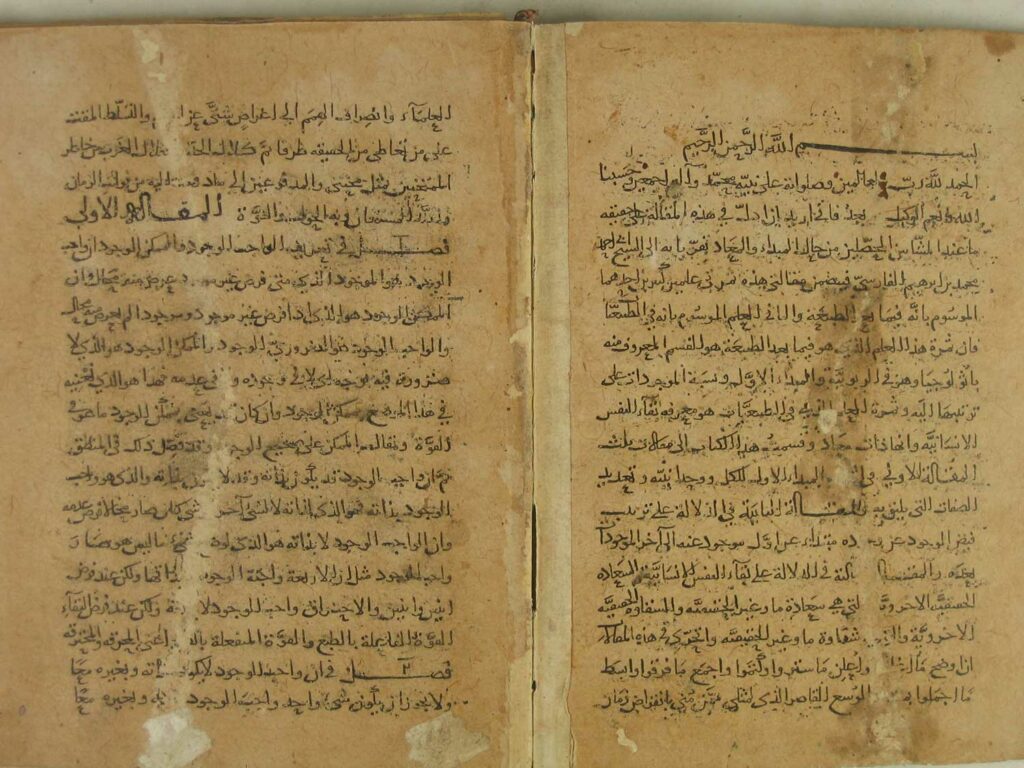
Every ancient manuscript hides a story.
Sometimes it is a story about kings, scholars, astronomers, or poets.
Sometimes it is simply the story of one careful reader leaving coffee stains 600 years ago.
The world of the Islamic manuscript is filled with hidden gems and treasured pearls — rare works that reveal forgotten knowledge, artistic brilliance, and fascinating human experiences.
For historians, collectors, and curious readers, Islamic manuscripts are far more than old books.
They are time machines.
Across centuries, scribes preserved science, religion, literature, medicine, magic, philosophy, and personal reflections inside beautifully crafted manuscripts.
Today, rare manuscript collections continue attracting global attention.
At urlManuscripts Leidenhttps://manuscriptsleiden.com/, enthusiasts and researchers can explore remarkable materials connected to Islamic manuscript heritage and historical collecting traditions.
And honestly, once you begin exploring manuscript history, it becomes surprisingly addictive.
One minute you are reading about medieval ink.
The next minute you are emotionally invested in 14th-century paper fibers.
What Makes an Islamic Manuscript Valuable?
Not every manuscript is equally rare or important.
Collectors and scholars evaluate several factors:
- Age
- Condition
- Calligraphy quality
- Historical significance
- Rarity
- Artistic decoration
- Provenance
- Subject matter
Sometimes even a small manuscript becomes historically important because it contains unique annotations or unknown texts.
The Treasure Hunt of Manuscript Discovery
One of the most exciting parts of manuscript studies is discovery.
Researchers still uncover forgotten texts in:
- Private collections
- Mosque libraries
- University archives
- Old family libraries
- Museum storage rooms
Some manuscripts remained untouched for centuries.
Others survived wars, fires, political collapse, humidity, insects, and extremely questionable storage decisions.
Historians occasionally open boxes expecting ordinary documents and discover priceless material instead.
Imagine accidentally finding a missing medieval scientific manuscript while cleaning a storage room.
That is basically the historian version of winning the lottery.
Hidden Gems in Science and Medicine
Many Islamic manuscripts contain advanced scientific knowledge for their time.
Medicine
Medical manuscripts documented:
- Surgical procedures
- Herbal treatments
- Anatomy
- Pharmacology
- Eye diseases
- Public health observations
Some Islamic medical texts influenced Europe for hundreds of years.
Astronomy
Astronomers recorded:
- Planetary observations
- Star charts
- Eclipse calculations
- Navigation techniques
Mathematics
Mathematical manuscripts introduced methods still foundational today.
Without these developments, modern science and technology would look very different.
Your smartphone owes more to medieval mathematics than most people realize.
Mystical and Spiritual Manuscripts
Not all manuscripts focused on science.
Many explored spirituality, ethics, mysticism, and prayer.
Sufi traditions produced rich literary and poetic works discussing:
- Inner purification
- Love
- Spiritual journeys
- Human morality
These manuscripts often featured beautiful calligraphy and symbolic imagery.
Illuminated Manuscripts: Art Meets Knowledge
Some Islamic manuscripts became masterpieces of visual art.
Illuminated manuscripts often included:
- Gold leaf
- Complex geometric designs
- Floral motifs
- Vibrant pigments
- Decorative chapter headings
Artists carefully balanced beauty and readability.
Creating one luxury manuscript could take months or years.
Modern graphic designers sometimes struggle with one logo revision.
Medieval manuscript artists painted microscopic gold details by hand.
Perspective is humbling.
The Global Journey of Manuscripts
Islamic manuscripts traveled enormous distances.
Books moved through:
- Trade routes
- Diplomatic exchanges
- Pilgrimage journeys
- Academic travel
- Royal collections
As a result, manuscripts from the Islamic world can now be found across Europe, Asia, Africa, and North America.
This global movement helped spread knowledge between civilizations.
Why Europe Became Fascinated with Islamic Manuscripts
During the Renaissance and colonial periods, European scholars and collectors developed strong interest in Islamic manuscripts.
Universities and libraries began collecting Arabic, Persian, and Ottoman works.
Many collections eventually became part of major European institutions.
Today, Leiden, London, Paris, Berlin, and other cities contain significant manuscript archives.
This growing interest also encouraged cataloging and preservation efforts.
Manuscript Margins: Tiny Notes, Big Stories
One fascinating aspect of manuscript research involves marginal notes.
Readers often added:
- Personal opinions
- Corrections
- Translations
- Ownership marks
- Humorous comments
- Shopping calculations
Yes, medieval readers also doodled in books.
Humanity remains surprisingly consistent.
These notes provide valuable insight into daily life and intellectual culture.
Rare Qur’anic Manuscripts
Among the most treasured Islamic manuscripts are early Qur’anic copies.
These manuscripts are admired for:
- Calligraphy precision
- Historical age
- Artistic illumination
- Spiritual significance
Some early Qur’anic manuscripts date back over 1,000 years.
Researchers continue studying their scripts, materials, and regional styles.
Statistics and Market Interest
The global rare manuscript market continues attracting collectors and institutions.
According to auction reports and art market analyses:
- Rare Islamic manuscripts can sell for significant prices
- Demand for authenticated manuscripts continues rising
- Digitization projects increase public awareness
Academic interest in Islamic intellectual history has also expanded internationally.
Preservation Challenges
Preserving manuscripts is difficult.
Threats include:
- Humidity
- Light exposure
- Mold
- Insects
- War
- Improper storage
- Acidic materials
Conservation experts use specialized techniques to protect fragile texts.
Some restoration projects take years.
Digital Manuscript Collections
Technology has transformed access to manuscripts.
Digital archives now allow researchers worldwide to study rare works remotely.
Advanced imaging technologies can reveal:
- Erased writing
- Hidden text
- Faded pigments
- Damaged pages
This digital revolution helps preserve fragile originals while expanding educational access.
At urlManuscripts Leidenhttps://manuscriptsleiden.com/, readers interested in manuscript culture can explore materials connected to Islamic manuscript traditions and collecting.
Hidden Pearls in Poetry and Literature
Islamic literary manuscripts contain extraordinary poetry and storytelling.
Persian, Arabic, and Ottoman literary traditions produced:
- Epic poetry
- Love stories
- Ethical literature
- Courtly humor
- Mystical symbolism
Some manuscripts feature illustrations alongside poetic texts.
The combination of visual art and literature created unforgettable cultural treasures.
Why Modern Audiences Still Love Manuscripts
In a digital age, ancient manuscripts feel deeply human.
You can see:
- Ink strokes
- Corrections
- Fingerprints
- Handmade details
- Signs of use
These imperfections make manuscripts feel alive.
Unlike mass-produced modern printing, every manuscript carries unique personality.
The Future of Islamic Manuscript Research
Interest in Islamic manuscripts continues growing globally.
Researchers increasingly collaborate across:
- History
- Art history
- Chemistry
- Conservation science
- Artificial intelligence
- Digital humanities
AI technologies may eventually help identify anonymous scribes and reconstruct damaged texts.
Ironically, future breakthroughs in manuscript studies may come from machines reading medieval handwriting better than modern humans.
Final Thoughts
The world of Islamic manuscripts is filled with hidden gems and treasured pearls that continue shaping our understanding of history, art, science, spirituality, and human creativity.
From illuminated Qur’ans to forgotten scientific texts, these manuscripts preserve centuries of intellectual achievement and cultural exchange.
For readers, collectors, and researchers interested in exploring this extraordinary heritage, urlManuscripts Leidenhttps://manuscriptsleiden.com/ provides insight into the fascinating world of Islamic manuscripts and rare historical treasures.