Occult Prayer in the Shii Mystical Tradition
The world of the Islamic manuscript contains far more than history books and scientific diagrams. Hidden within libraries and private collections are mysterious texts exploring spirituality, mystical practices, sacred symbols, prayers, and esoteric traditions.
Among the most fascinating subjects preserved in Islamic manuscript culture is the tradition of occult prayer within Shii mystical thought.
Now before anyone imagines movie-style magic spells with thunder and dramatic background music, let us clarify something important:
In historical Islamic traditions, occult sciences often referred to symbolic systems, spiritual practices, cosmology, numerology, sacred letters, protective prayers, and mystical interpretations of divine knowledge.
These traditions existed within broader intellectual and religious frameworks.
Today, scholars continue studying these manuscripts to better understand spirituality, psychology, symbolism, and intellectual history across the Islamic world.
At urlManuscripts Leidenhttps://manuscriptsleiden.com/, readers interested in rare manuscript traditions can explore materials connected to Islamic intellectual heritage and manuscript culture.
What Does “Occult” Mean Historically?
The modern word “occult” often creates confusion.
Historically, occult sciences referred to hidden or specialized knowledge.
In Islamic history, this could include:
- Astrology
- Numerology
- Letter symbolism
- Protective prayers
- Mystical diagrams
- Cosmology
- Spiritual healing traditions
Many scholars approached these subjects seriously within philosophical and theological discussions.
The Role of Prayer in Shii Mystical Traditions
Prayer holds central importance throughout Islamic traditions.
Within some Shii mystical traditions, certain prayers and supplications gained additional symbolic and spiritual significance.
Manuscripts preserved:
- Protective invocations
- Supplications
- Esoteric interpretations
- Spiritual meditations
- Sacred names
Some texts explored the relationship between divine language, cosmic order, and spiritual transformation.
Why Manuscripts Matter in Mystical Traditions
Much mystical knowledge circulated through handwritten manuscripts.
Unlike mass-printed modern books, manuscripts were often copied within:
- Scholarly circles
- Religious communities
- Private collections
- Family libraries
This limited circulation sometimes increased the aura of secrecy surrounding certain texts.
And frankly, humans have always been fascinated by hidden knowledge.
If a medieval manuscript included mysterious symbols and warnings about spiritual discipline, people paid attention.
Today we click suspicious internet headlines instead.
Civilization evolves.
Symbolism in Islamic Mystical Manuscripts
Mystical manuscripts often contain symbolic elements such as:
- Geometric figures
- Numerical grids
- Sacred names
- Planetary symbols
- Protective seals
- Letter combinations
These symbols were interpreted within complex intellectual systems.
Researchers caution against oversimplifying these traditions as mere superstition.
Many historical scholars viewed symbolic knowledge as connected to philosophy, theology, mathematics, and spirituality.
The Science of Letters
One particularly fascinating tradition involved the symbolic interpretation of Arabic letters.
Some mystical scholars believed letters carried:
- Numerical values
- Spiritual properties
- Cosmological meaning
This practice, sometimes connected to numerological systems, appears in multiple manuscript traditions.
The visual beauty of Arabic calligraphy strengthened the connection between language and spirituality.
Hidden Knowledge and Intellectual Curiosity
The medieval Islamic world contained extraordinary intellectual diversity.
Scholars explored:
- Philosophy
- Medicine
- Astronomy
- Logic
- Theology
- Mysticism
Occult manuscript traditions developed alongside these broader scholarly environments.
Some famous intellectual figures discussed mystical cosmology while also contributing to mathematics or medicine.
Human beings rarely fit neatly into modern categories.
Protective Prayers and Everyday Life
Many manuscripts included protective prayers for daily concerns such as:
- Travel safety
- Illness
- Childbirth
- Protection from danger
- Emotional distress
These texts reveal the human side of history.
People centuries ago worried about many of the same things people worry about today.
The difference is that modern people also panic when Wi-Fi stops working for six minutes.
Calligraphy and Sacred Aesthetics
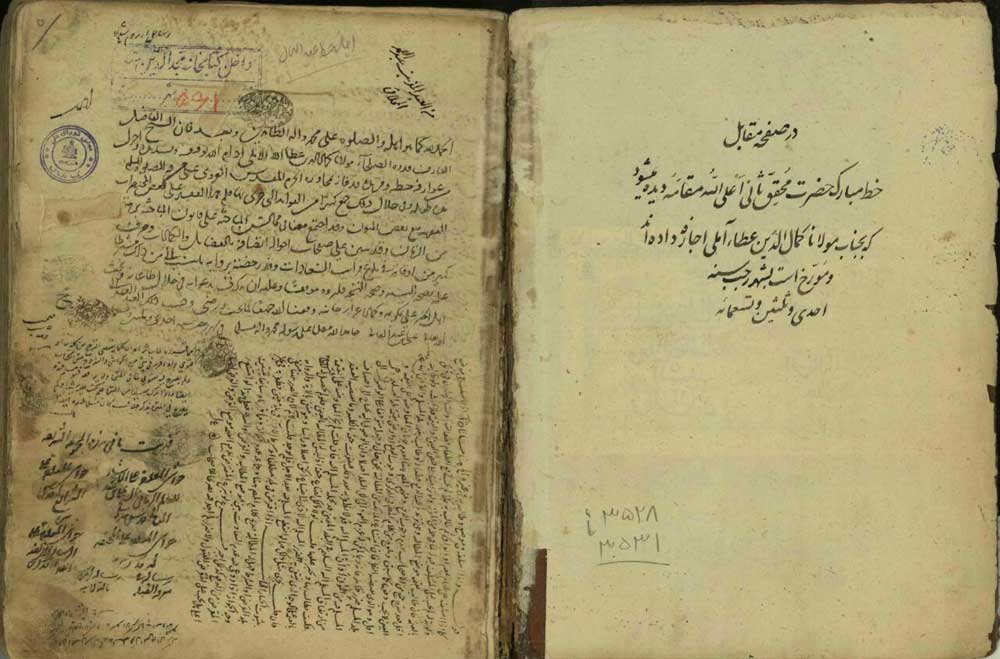
Mystical manuscripts were often visually stunning.
Calligraphy itself carried spiritual significance.
Scribes carefully designed:
- Prayer circles
- Geometric layouts
- Decorative frames
- Symmetrical compositions
Beauty and spirituality were closely connected.
Many manuscripts feel more like artistic experiences than ordinary books.
The Influence of Persian and Ottoman Traditions
Persian and Ottoman manuscript cultures strongly influenced mystical literature.
These traditions produced richly decorated works combining:
- Poetry
- Prayer
- Philosophy
- Symbolism
- Miniature painting
The blending of visual art and spiritual writing created remarkable cultural artifacts.
Why Scholars Study Occult Manuscripts Today
Modern researchers study mystical manuscripts for many reasons.
They provide insight into:
- Intellectual history
- Religious psychology
- Cultural symbolism
- Historical spirituality
- Artistic traditions
- Social beliefs
Researchers increasingly avoid simplistic stereotypes.
Instead, they analyze these texts within broader historical and cultural contexts.
Statistics and Modern Research Trends
Interest in manuscript digitization and Islamic studies continues growing internationally.
Universities across Europe, North America, and the Middle East support projects focused on:
- Manuscript preservation
- Arabic paleography
- Mystical traditions
- Digital archives
- Codicology
Thousands of previously inaccessible manuscripts are now available digitally.
This accessibility is transforming global scholarship.
Manuscript Preservation Challenges
Mystical manuscripts often survive in fragile condition.
Threats include:
- Water damage
- Insects
- Political conflict
- Improper storage
- Ink fading
Conservation experts use advanced techniques to preserve these materials for future generations.
Technology now helps recover faded writing through multispectral imaging.
Public Fascination with Mystical Manuscripts
Why do people remain fascinated by mystical manuscripts?
Partly because these texts combine:
- Mystery
- Art
- Spirituality
- History
- Symbolism
They remind us that past civilizations wrestled with profound questions about existence, meaning, fear, hope, and the unseen dimensions of life.
And despite all modern technology, humans still search for meaning in surprisingly similar ways.
Manuscripts as Cultural Heritage
Islamic mystical manuscripts should be understood as part of world cultural heritage.
They represent centuries of:
- Intellectual exploration
- Artistic creativity
- Spiritual reflection
- Cross-cultural exchange
Studying these works helps modern audiences appreciate the complexity and diversity of Islamic civilization.
Final Thoughts
The Islamic manuscript tradition preserves far more than historical information. It protects centuries of spiritual thought, artistic brilliance, intellectual curiosity, and human imagination.
Occult prayer traditions within Shii mystical manuscripts offer fascinating insight into how earlier societies explored symbolism, spirituality, sacred language, and hidden knowledge.
For readers interested in discovering rare Islamic manuscript traditions and historical treasures, urlManuscripts Leidenhttps://manuscriptsleiden.com/ provides valuable access to the rich and complex world of manuscript culture.